
The forging process that product designers must understand
The forging process that product designers must understand
What is forging?
Forging is the combined term for forging and stamping. It is a forming processing method that uses the hammer head, anvil block, punch, or through a mold to apply pressure to the blank, causing it to undergo plastic deformation, thereby obtaining the required shape and size of the part.
Forging can be classified into cold forging and hot forging based on the temperature of the material during processing. Cold forging is generally carried out at room temperature, while hot forging is done at a temperature above the recrystallization temperature of the material. Sometimes, forging that is carried out when the material is in a heated state but with a temperature not exceeding the recrystallization temperature is called warm forging. However, this classification is not completely uniform in production.
Cold forging: The forging process for processing metal materials at room temperature.
Hot forging: The forging process for processing metal materials when they are heated to a temperature above the recrystallization temperature and below the solidification line.
Re-crystallization temperature: The rough calculation can take 0.4 times the melting point of the metal as the re-crystallization temperature.
For forged products, cold forging can achieve better flatness, while hot forging has the poorest flatness, and warm forging (with the metal material's temperature between cold forging and hot forging) has a medium level of flatness.
Cold forging is also called cold volume forming and is a manufacturing process as well as a processing method. It is basically the same as the cold stamping processing method. The cold forging process consists of three elements: materials, molds, and equipment. In stamping processing, the material is mainly sheet metal, while in cold forging, the material is mainly discs or wires.
In Japan (JIS), it is called cold forging room (abbreviated as cold forging). In China (GB), it is called cold extrusion, and some screw factories also prefer to call it head forging.
Three-dimensional cold forging (Cold Forging)
Compared with hot forging, cold forging eliminates expensive heating equipment and has advantages such as material saving, higher processing accuracy, etc. However, it is also limited by process requirements, so there are higher requirements for mold design and manufacturing, equipment pressure, etc.
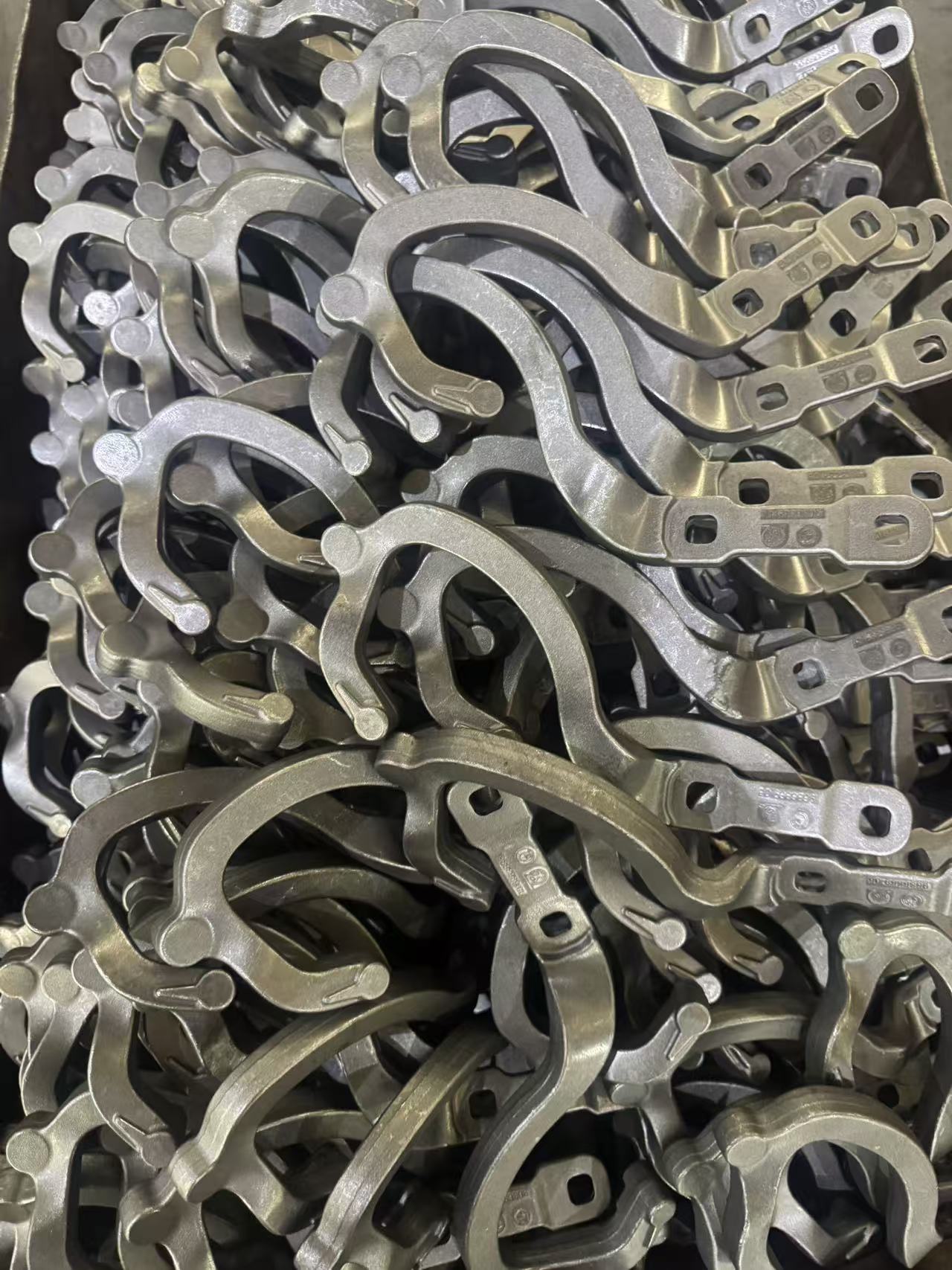
this is forgings from tongxin precision forging company
Send Inquiry



X
We use cookies to offer you a better browsing experience, analyze site traffic and personalize content. By using this site, you agree to our use of cookies.
Privacy Policy