
What Are Gear Type Forgings and Why Are They Important in Modern Manufacturing
Gear type forgings are essential components in many industries, particularly in mechanical engineering and automotive manufacturing. These forged gears provide exceptional strength, durability, and performance. In this blog, we will explore what gear type forgings are, the different types, the manufacturing processes, and their application in various industries. We will also look at the advantages of using forged gears over cast or machined gears.
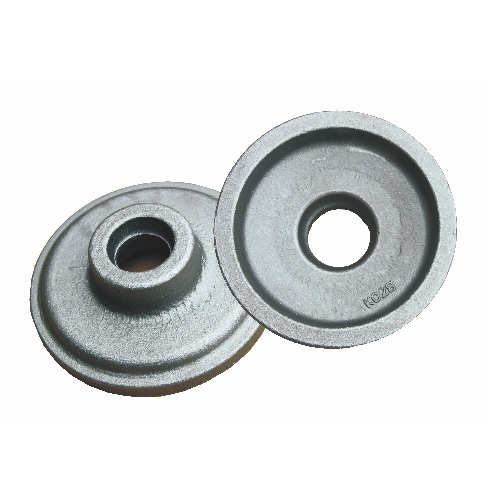
Table of Contents
- Introduction to Gear Type Forgings
- Types of Gear Type Forgings
- Gear Forging Manufacturing Process
- Advantages of Gear Type Forgings
- Industries Using Gear Type Forgings
- FAQs
Introduction to Gear Type Forgings
Gear type forgings refer to gears that are created through a forging process, where metal is heated and shaped using pressure. Unlike casting or machining, forging ensures that the final product has superior strength and resistance to wear. These forged gears are used in applications requiring high-performance standards, such as heavy machinery, automotive systems, and industrial equipment. Tongxin Forging, a leading manufacturer of gear type forgings, produces high-quality gears that meet stringent industry standards.
Types of Gear Type Forgings
There are various types of gear type forgings, each designed for specific applications. The main types include:
- Spur Gears: These are the most common type of gear, characterized by teeth that are straight and parallel to the axis of rotation. They are widely used in mechanical drives and automotive systems.
- Helical Gears: Helical gears have teeth that are cut at an angle, making them quieter and more durable than spur gears. They are commonly used in high-speed and high-load applications.
- Bevel Gears: These gears have conical-shaped teeth and are used to transmit motion between intersecting shafts. They are commonly found in automotive differentials and power transmission systems.
- Worm Gears: Worm gears consist of a worm (a screw-like gear) that meshes with a worm wheel. They are used for reducing speed and transmitting motion at a right angle.
Gear Forging Manufacturing Process
The manufacturing process for gear type forgings involves several key steps:
- Material Selection: The right material is chosen based on the application requirements. Common materials include carbon steel, alloy steel, and stainless steel.
- Heating: The metal is heated to a temperature where it becomes malleable, allowing it to be shaped effectively during the forging process.
- Forging: The heated metal is placed between dies and subjected to compressive force to shape it into the desired gear form.
- Cooling and Finishing: Once the forging process is complete, the gear is allowed to cool and is then subjected to finishing processes such as grinding, cutting, and heat treatment.
Comparison Table of Different Gear Types
| Gear Type | Teeth Orientation | Applications | Advantages |
|---|---|---|---|
| Spur Gear | Straight | Mechanical drives, automotive systems | Simple design, efficient performance |
| Helical Gear | Angled | High-speed machinery, industrial equipment | Quieter operation, smoother performance |
| Bevel Gear | Conical | Automotive differentials, power transmission | Compact design, effective for angular motion |
| Worm Gear | Spiral | Speed reduction, right-angle transmission | High torque, compact design |
Advantages of Gear Type Forgings
There are numerous advantages to using gear type forgings over other gear manufacturing methods, such as:
- Enhanced Durability: Forged gears are stronger and more resistant to wear, making them ideal for high-load applications.
- Improved Performance: The forging process enhances the material’s properties, improving the overall efficiency and performance of the gear.
- Cost-Effectiveness: While forging can be more expensive than casting, it offers superior durability, reducing the need for repairs and replacements.
- Customization: Forged gears can be tailored to meet specific application requirements in terms of material, size, and shape.
Industries Using Gear Type Forgings
Gear type forgings are used across a wide range of industries, including:
- Automotive: Used in engines, transmissions, and differentials.
- Aerospace: High-performance gears are essential in aircraft engines and landing gears.
- Manufacturing: Forged gears are used in industrial machines and robotics.
- Marine: Heavy-duty gears are used in ship propulsion and other maritime applications.
Frequently Asked Questions
1. What is the difference between forged gears and cast gears?
Forged gears are stronger and more durable than cast gears. Forging processes ensure uniformity and grain structure, which enhances the gear’s performance under high loads and stress.
2. Can gear type forgings be customized?
Yes, gear type forgings can be customized to meet the specific requirements of the application, including material selection, size, and gear type.
3. What industries use gear type forgings?
Gear type forgings are used in automotive, aerospace, manufacturing, and marine industries, among others.
4. How long do forged gears last?
Forged gears are designed for long service life, often lasting longer than gears made from other methods like casting or machining due to their superior strength and wear resistance.
Are you looking for high-quality gear type forgings for your next project? Contact us at Tongxin Forging to learn more about our top-notch gear manufacturing services. Our expert team is ready to help you choose the best forged gears for your specific needs and applications.
Send Inquiry



X
We use cookies to offer you a better browsing experience, analyze site traffic and personalize content. By using this site, you agree to our use of cookies.
Privacy Policy