
How Can High-Quality Traction Pin Forgings Improve Strength, Durability, and Equipment Reliability
Article Summary: Traction components play an essential role in transmitting pulling forces and maintaining reliable mechanical connections in industrial and transportation equipment. Choosing the right Traction Pin Forgings is therefore critical to structural strength, impact resistance, wear performance, and long-term operating stability. Tongxin specializes in customized steel forging solutions, supplying traction pin forgings manufactured from carbon steel or alloy steel through controlled die forging processes. This article explores their manufacturing process, material selection, performance advantages, quality inspection requirements, and key purchasing considerations to help equipment manufacturers make informed sourcing decisions.
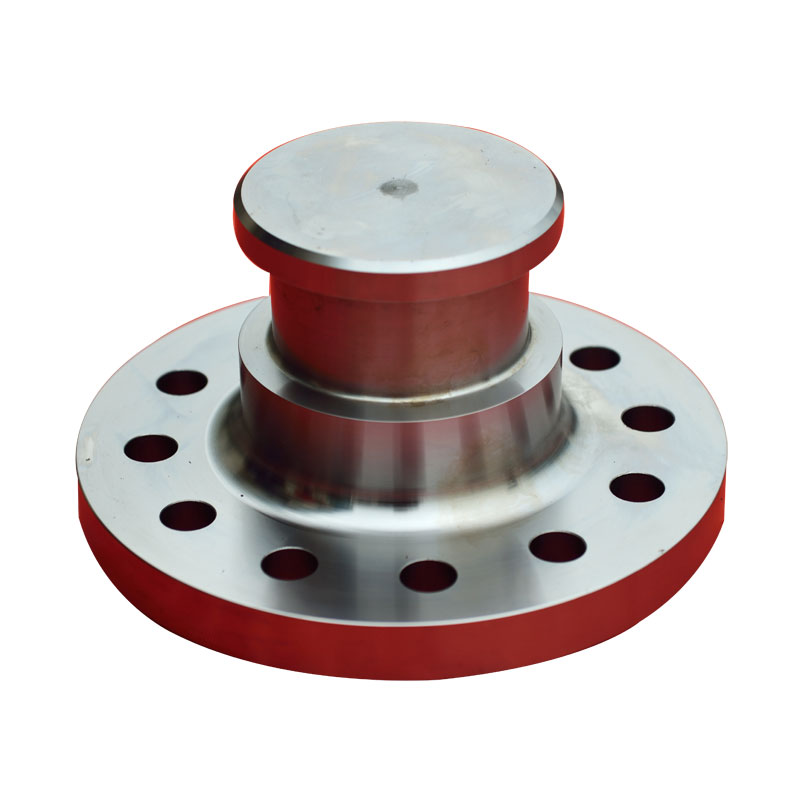
Table of Contents
- What Are Traction Pin Forgings?
- Why Are Forged Traction Pins Important?
- Which Materials Are Suitable for Traction Pin Forgings?
- How Are Traction Pin Forgings Manufactured?
- What Are the Main Performance Advantages?
- Where Are Traction Pin Forgings Commonly Used?
- How Is Forging Quality Controlled?
- How Should Buyers Choose a Reliable Manufacturer?
- Frequently Asked Questions
- Conclusion: Investing in Reliable Forged Components
1. What Are Traction Pin Forgings?
Traction pin forgings are specially manufactured steel components designed for mechanical connection and force transmission in traction-related equipment and assemblies. They are produced through metal forging, a manufacturing process that shapes heated metal under compressive force to achieve the required geometry and mechanical characteristics.
Unlike components manufactured entirely through conventional machining, forged traction pins are formed from solid metal stock. The forging process can refine the internal structure and produce a compact, continuous metal structure suitable for demanding mechanical applications.
Depending on the equipment design, traction pins may be required to withstand:
- Repeated tensile and mechanical loading.
- Impact forces generated during equipment operation.
- Friction and surface wear at connecting interfaces.
- Vibration and changing working conditions.
- Long-term mechanical stress during continuous service.
For this reason, material selection, forging accuracy, heat treatment, and dimensional inspection are important factors when manufacturing reliable traction pin components.
2. Why Are Forged Traction Pins Important?
In mechanical assemblies, a traction pin may appear to be a relatively small component. However, its performance can directly influence the reliability of the entire connection system. A poorly manufactured pin may experience premature deformation, excessive wear, or mechanical failure under demanding operating conditions.
Forging offers several manufacturing advantages that make it suitable for traction-related components.
Improved Structural Integrity
Controlled metal deformation during forging helps create a compact internal structure. Compared with certain manufacturing routes that remove substantial material from solid stock, forging can provide favorable grain flow and mechanical consistency when properly designed and processed.
Reliable Load-Bearing Performance
Traction pins must accommodate forces transmitted through connected mechanical structures. Properly selected steel grades and heat treatment processes help achieve the required strength, hardness, and toughness for the intended working environment.
Better Resistance to Mechanical Damage
Impact resistance and wear resistance are particularly important when components operate under repeated loading. A suitable forging process, combined with appropriate material and finishing requirements, helps improve service reliability.
3. Which Materials Are Suitable for Traction Pin Forgings?
Material selection is one of the most important decisions in traction pin manufacturing. Different equipment applications require different combinations of tensile strength, hardness, toughness, and fatigue resistance.
Tongxin supplies traction pin forgings using carbon steel or alloy steel, with raw material selection based on customer drawings and material requirements.
| Material Type | Key Characteristics | Selection Considerations |
|---|---|---|
| Carbon Steel | Good strength, machinability, and cost-effectiveness. | Suitable when the required mechanical properties can be achieved with the selected grade and processing route. |
| Alloy Steel | Can provide enhanced hardenability, strength, and toughness depending on its composition. | Suitable for applications requiring specific mechanical performance and heat treatment characteristics. |
When evaluating materials, buyers should consider the following factors:
- Working load: Determine the expected tensile, compressive, and impact forces.
- Operating environment: Consider temperature, moisture, dust, and potential corrosive exposure.
- Fatigue requirements: Evaluate the frequency and magnitude of repeated loading.
- Heat treatment: Specify the required hardness and mechanical properties.
- Machining requirements: Confirm that the selected material is suitable for the final machining operations.
Material selection should always be supported by engineering requirements rather than relying on material names alone.
4. How Are Traction Pin Forgings Manufactured?
Manufacturing quality depends on every stage of production, from raw material preparation to final inspection. Tongxin follows a structured forging workflow to manufacture customized traction pin components.
The basic manufacturing sequence includes:
- Raw Material Selection and Blanking: Select carbon steel or alloy steel according to customer drawings and cut the material into suitable billets.
- Material Heating: Heat the billet to the appropriate forging temperature according to the selected material and process requirements.
- Preforming: Prepare the heated billet to distribute material appropriately before final forming.
- Die Forging: Apply controlled pressure through forging dies to produce the required component shape.
- Cooling and Shot Blasting: Allow the forged component to cool according to process requirements and remove surface scale through shot blasting.
- Initial Inspection: Check the forged shape and identify visible surface defects or dimensional deviations.
- Heat Treatment: Apply the specified heat treatment according to the technical drawings and required mechanical properties.
- Machining: Perform necessary machining operations to achieve the specified dimensions and functional surfaces.
- Final Inspection and Warehousing: Verify product conformity before approved components are packaged and stored.
Each stage contributes to the final quality of the component. In particular, forging temperature, die design, deformation control, and heat treatment parameters should be managed according to the material and product specifications.
5. What Are the Main Performance Advantages of Traction Pin Forgings?
High-quality forged traction pins offer several practical advantages for equipment manufacturers and industrial users.
5.1 High Material Strength
Forging can improve the internal metal structure and provide favorable mechanical properties. Properly engineered traction pin forgings are suitable for applications involving significant mechanical loads.
5.2 Compact Internal Structure
Controlled deformation helps produce a dense metal structure. This is important for components that require dependable structural integrity and consistent mechanical performance.
5.3 Good Hardness and Impact Resistance
Through appropriate material selection and heat treatment, manufacturers can achieve the required balance between surface hardness and core toughness. This balance helps reduce the risk of excessive wear and impact-related damage.
5.4 Customized Manufacturing
Different equipment designs require different pin dimensions, shapes, and mechanical properties. Customized die forging allows manufacturers to produce components according to customer drawings and engineering specifications.
5.5 Cost-Effective Production
For suitable production volumes, die forging can improve material utilization and reduce the amount of machining required to achieve the final geometry. This may help lower manufacturing costs while maintaining product conformity.
6. Where Are Traction Pin Forgings Commonly Used?
Traction pin components are relevant to mechanical assemblies that require secure connections and reliable force transmission. Their actual applications depend on the equipment structure, component design, and engineering specifications.
Potential application areas include:
- Agricultural Machinery: Mechanical connection assemblies used in tractors and related agricultural equipment.
- Commercial Vehicles: Traction-related mechanical structures and vehicle connection systems.
- Transportation Equipment: Components designed for mechanical coupling and force transmission.
- Industrial Machinery: Equipment assemblies requiring durable steel connection components.
- Custom Mechanical Systems: Special-purpose machinery requiring non-standard forged pin designs.
Before selecting a component, engineers should verify its intended function, load conditions, installation dimensions, and applicable technical requirements.
7. How Is Forging Quality Controlled?
Quality control is essential for traction pin forgings because dimensional deviations and material defects may affect assembly accuracy and operating safety.
A professional quality management process should cover the following inspection areas:
| Inspection Item | Inspection Purpose | Typical Evaluation Method |
|---|---|---|
| Raw Material | Confirm material grade and compliance with specifications. | Material certificates and chemical composition verification. |
| Surface Quality | Identify visible cracks, folds, and other surface imperfections. | Visual inspection and applicable surface testing. |
| Dimensional Accuracy | Ensure the component meets drawing requirements. | Calipers, gauges, and dimensional measuring equipment. |
| Mechanical Properties | Verify strength, hardness, and toughness requirements. | Hardness and mechanical testing as specified. |
| Internal Integrity | Evaluate potential internal discontinuities when required. | Suitable non-destructive testing methods. |
Tongxin states that products are delivered following factory self-inspection or third-party inspection and acceptance, according to the applicable requirements. Buyers should confirm the inspection scope, acceptance criteria, and documentation before placing an order.
8. How Should Buyers Choose a Reliable Traction Pin Forgings Manufacturer?
Selecting the right forging supplier involves more than comparing unit prices. Buyers should evaluate manufacturing capabilities, technical communication, quality management, and customization experience.
Consider these important purchasing factors:
- Manufacturing Experience: Look for a supplier with established experience in steel forging and related industrial components.
- Material Capabilities: Confirm whether the manufacturer can supply the required carbon steel or alloy steel grades.
- Forging Technology: Evaluate die forging capabilities, tooling design, and production process control.
- Customization Support: Choose a supplier that can manufacture components according to technical drawings and specifications.
- Heat Treatment and Machining: Confirm whether the supplier can coordinate these processes to meet the finished component requirements.
- Quality Assurance: Request relevant inspection records, material documentation, and applicable quality certifications.
- Communication and Delivery: Evaluate technical response speed, production planning, packaging, and delivery arrangements.
Tongxin has extensive experience in precision forging and provides customized traction pin forgings for domestic and international customers. Its manufacturing capabilities cover forging, heat treatment, machining, and related production processes.
Learn more about Tongxin Precision Forging and explore its other industrial forging products to understand its broader manufacturing capabilities.
9. Frequently Asked Questions About Traction Pin Forgings
Q1: What materials are commonly used for traction pin forgings?
Carbon steel and alloy steel are commonly selected for traction pin forgings. The final choice depends on the required strength, hardness, toughness, fatigue performance, and operating environment. Tongxin can select suitable raw materials according to customer drawings and technical requirements.
Q2: Are traction pin forgings available in customized sizes?
Yes. Customized manufacturing is available according to customer drawings and specifications. Dimensions, product models, logos, and packaging can be customized to meet different project requirements. Buyers should provide detailed technical drawings for accurate evaluation.
Q3: What forging method is used to manufacture traction pins?
Die forging is the forming method specified for Tongxin's traction pin forgings. This process uses specially designed dies to shape heated steel billets into the required component geometry.
Q4: Why is heat treatment important for forged traction pins?
Heat treatment helps achieve the required mechanical properties, including hardness, strength, and toughness. The specific process should be determined according to the steel grade, component design, and customer requirements.
Q5: How can buyers verify the quality of traction pin forgings?
Buyers should review material certificates, dimensional inspection reports, mechanical test results, and relevant surface or internal inspection records. Third-party inspection can also be arranged when required by the purchasing agreement.
Q6: What information should be provided when requesting a quotation?
To obtain an accurate quotation, buyers should provide product drawings, material grade, required dimensions, annual or batch quantity, heat treatment requirements, machining specifications, inspection standards, and delivery destination.
Q7: What are the benefits of purchasing directly from a forging manufacturer?
Working directly with a manufacturer can improve technical communication, customization coordination, production visibility, and quality control. It also allows buyers to discuss tooling, machining, material selection, and inspection requirements with the production team.
10. Conclusion: Investing in Reliable Forged Components
High-quality traction pin forgings are important components for mechanical assemblies that require strength, dimensional accuracy, impact resistance, and dependable service performance. From carbon steel and alloy steel selection to die forging, heat treatment, machining, and final inspection, every manufacturing stage contributes to product reliability.
For equipment manufacturers and industrial buyers seeking customized forged steel components, Tongxin offers professional forging experience, flexible drawing-based customization, and quality inspection support. Whether you need standard traction pin components or specially designed forged parts, choosing an experienced manufacturing partner can help improve production consistency and long-term equipment reliability.
Looking for a dependable supplier of customized Traction Pin Forgings? Tongxin is ready to discuss your technical drawings, material requirements, product specifications, and project needs. Visit our Traction Pin Forgings product page to learn more, or contact us today for professional support and a competitive quotation. Let Tongxin help you find a reliable forging solution for your next industrial project.
Send Inquiry



X
We use cookies to offer you a better browsing experience, analyze site traffic and personalize content. By using this site, you agree to our use of cookies.
Privacy Policy